


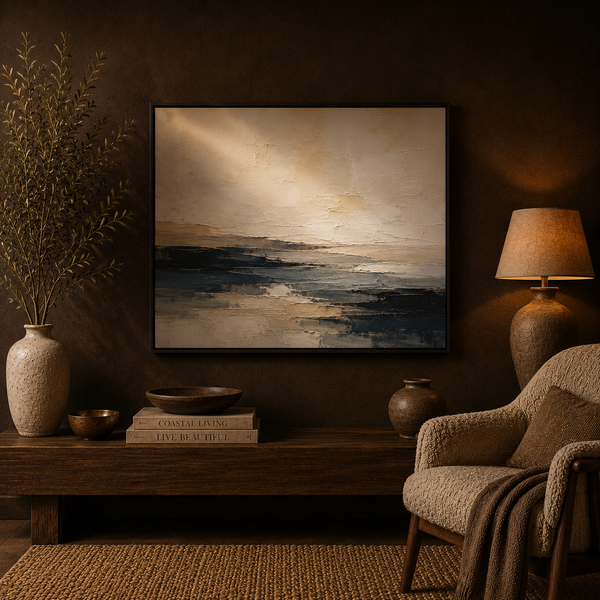
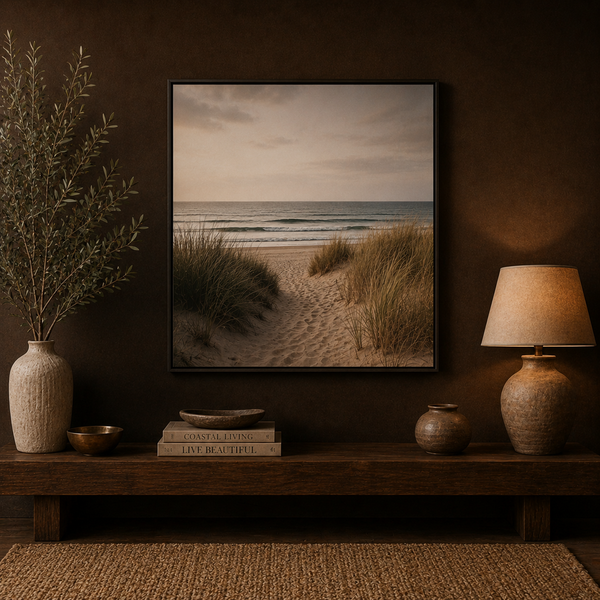


Abstract Wall Art Australia – Modern Expression for Inspired Interiors
Some artwork tells a story.
Abstract art invites you to create your own.
Unlike traditional landscapes or portraits, abstract wall art does not attempt to replicate the world exactly as we see it. Instead, it captures emotion, movement, colour, texture, and imagination. It leaves space for interpretation, which is precisely why it has remained one of the most influential art movements in modern interior design.
Walk into a beautifully styled home, luxury apartment, boutique hotel, or contemporary office, and you'll often find abstract artwork taking centre stage. Its ability to complement a room without dictating a specific narrative makes it one of the most versatile forms of wall decor available today.
At Fansee Australia, our Abstract Wall Art collection brings together a carefully curated selection of framed prints, canvas artwork, contemporary compositions, oversized statement pieces, and modern designs created to elevate Australian homes.
Whether you're searching for a dramatic focal point for your living room or a sophisticated finishing touch for your bedroom, abstract art offers endless possibilities.
When Walls Become Conversations
The most memorable interiors are rarely built around furniture alone.
Often, it is the artwork that people remember.
A striking abstract painting can anchor an entire room. It introduces colour where colour is needed, calm where balance is desired, and energy where a space feels incomplete.
Unlike highly literal artwork, abstract designs engage the viewer differently. Each person may notice something unique within the composition. Shapes, textures, brushstrokes, and colour palettes can evoke different emotions depending on the individual and the environment in which the artwork is displayed.
This personal connection is one of the reasons abstract wall art continues to resonate with homeowners, designers, and collectors alike.
The Evolution of Modern Abstract Art
Abstract art has existed for more than a century, yet it feels more relevant today than ever before.
Contemporary interiors increasingly favour simplicity, open spaces, and carefully chosen statement pieces. Abstract artwork fits naturally within this design philosophy.
Rather than competing with furniture or architectural features, it enhances them.
Today's most sought-after abstract artworks often feature:
Soft neutral palettes.
Bold monochromatic compositions.
Earth-inspired tones.
Textured brushwork.
Geometric forms.
Organic movement.
These styles allow abstract art to integrate seamlessly into modern Australian homes while still creating visual impact.
The Power of Scale
One of the most significant trends in contemporary interior design is the move towards larger artwork.
Small pieces can often become lost on expansive walls, particularly in open-plan homes.
Oversized abstract wall art creates a different experience.
It immediately establishes a focal point.
It helps define the room.
It introduces drama without clutter.
A large abstract artwork above a sofa, dining table, bed, or console can completely transform a space's atmosphere.
Many interior designers follow a simple principle: when in doubt, go larger.
The result often feels more balanced, more luxurious, and more intentional.
Colour Without Complexity
One reason abstract art works so well in contemporary homes is its ability to introduce colour without overwhelming the room.
A landscape painting may dictate a very specific palette. Abstract artwork is more flexible.
A composition featuring warm beige, charcoal, ivory, and gold can complement dozens of different interior styles.
Likewise, a bold black-and-white abstract piece can create contrast while maintaining simplicity.
This flexibility makes abstract wall art one of the easiest categories to style successfully.
Abstract Art in Australian Homes
Australian interiors often embrace natural light, open layouts, and relaxed sophistication.
Abstract artwork complements these characteristics beautifully.
In a coastal-inspired home, soft abstract designs can echo the colours of sand and sea.
In a contemporary apartment, geometric compositions introduce structure and modernity.
In luxury residences, oversized abstract pieces often become the defining visual feature of the room.
Because abstract art focuses on feeling rather than subject matter, it adapts effortlessly across different interior styles.
Creating Atmosphere Through Art
Art influences more than appearance.
It shapes the atmosphere.
A room filled with cool blues and soft textures may feel calming and restorative.
A space featuring energetic brushstrokes and bold contrasts may feel vibrant and creative.
Abstract art allows homeowners to intentionally shape these experiences.
Rather than simply decorating a wall, the artwork becomes part of the room's feel.
This emotional dimension is one of the reasons abstract art continues to be embraced by architects, interior designers, and homeowners around the world.
A Natural Partner for Modern Interiors
Abstract artwork pairs beautifully with many of today's most popular decor trends.
It sits comfortably alongside:
Minimalist Interiors.
Contemporary Furniture.
Natural Timber Finishes.
Soft Textured Furnishings.
The result is a layered and sophisticated interior that feels curated rather than over-styled.
Why Abstract Art Continues to Lead Design Trends
Some art styles experience brief popularity before fading away.
Abstract art is different.
Its adaptability, emotional depth, and visual versatility allow it to evolve with changing design trends.
As homes become more personalised and expressive, abstract artwork provides a powerful way for individuals to create spaces that feel uniquely their own.
The artwork never tells you exactly what to see.
Instead, it encourages you to see something different every time you look at it.
That is what makes abstract art timeless.
Why Choose Fansee Australia for Abstract Wall Art?
At Fansee Australia, we curate abstract artwork that reflects contemporary design, artistic expression, and modern Australian living.
Our collection includes:
Large framed abstract wall art.
Textured contemporary artwork.
Every piece is selected to help create interiors that feel inspiring, sophisticated, and uniquely personal.
Whether you're styling a modern apartment, a family home, a creative workspace, or a luxury residence, our abstract wall art collection offers designs that bring both beauty and meaning to your walls.
Frequently Asked Questions
What is abstract wall art?
Abstract wall art uses colour, texture, shapes, and composition to create visual expression rather than depicting a specific subject or scene.
Is abstract wall art suitable for modern homes?
Yes. Abstract artwork is one of the most popular choices for contemporary, minimalist, and modern interiors.
Where should I hang abstract wall art?
Abstract artwork works beautifully in living rooms, bedrooms, dining areas, hallways, offices, and entryways.
What colours are popular in abstract artwork?
Neutral tones, earth-inspired colours, black-and-white compositions, soft greys, and warm natural palettes remain particularly popular.
Should abstract artwork be large or small?
While both sizes can work, oversized abstract artwork often creates a stronger visual impact and balance in modern homes.
Does abstract art suit minimalist interiors?
Absolutely. Many minimalist interiors rely on abstract artwork to introduce interest without cluttering the space.
Can abstract artwork work alongside other wall decor?
Yes. Abstract artwork pairs beautifully with mirrors, clocks, sculptures, and contemporary decorative pieces.
Is abstract wall art timeless?
Yes. Abstract art has remained influential for over a century because it adapts easily to changing design trends.
Do you offer free shipping across Australia?
Yes. Fansee Australia offers free shipping on most orders throughout Australia, including many regional locations.
I Live in a Regional Area of Australia – Can Fansee Deliver to My Location?
Yes. Fansee Australia proudly delivers to metropolitan, regional, and many remote areas across Australia.