




The Ultimate Australian Guide to Kitchen Knife Sets
Everything You Need to Know Before Buying Your Next Kitchen Knife Set
Chapter One — Every Great Meal Begins with the Right Knife
There's something quietly satisfying about preparing a meal with a knife that feels perfectly balanced in your hand.
Whether you're finely slicing herbs for a homemade pasta, carving a Sunday roast, or simply preparing fresh fruit for breakfast, the right knife transforms everyday cooking into a more enjoyable experience. It cuts cleanly, works effortlessly and gives you greater confidence with every movement.
That's why professional chefs invest so much time choosing their knives. They know that while recipes may change, a quality knife remains one of the few kitchen tools used every single day.
At Fansee Australia, we believe a knife set is more than a collection of blades. It's an investment in the way you cook, entertain and create memories around the table. This guide has been designed to help Australian home cooks understand what makes a great kitchen knife and how to choose a set that serves them well.
More Than Just a Cutting Tool
A kitchen knife is one of the hardest-working tools in any home.
From preparing vegetables and trimming meat to slicing bread and serving fruit, it's involved in almost every meal. Because it's used so often, comfort and balance become just as important as sharpness.
A well-crafted knife allows the blade to do the work rather than relying on force. This makes food preparation faster, more precise and, surprisingly, much safer than using a blunt knife.
Understanding the Essential Knives
Every knife in a quality set has been designed with a specific purpose in mind.
Chef's Knife
Often considered the heart of the kitchen, the chef's knife handles most everyday cutting tasks. Its versatile design makes it ideal for chopping vegetables, slicing meat and preparing fresh herbs.
Santoku Knife
Originating in Japan, the Santoku is loved for its lightweight feel and exceptional precision. It excels at slicing, dicing and finely chopping vegetables, seafood and boneless meats.
Utility Knife
Smaller than a chef's knife but larger than a paring knife, the utility knife is perfect for sandwiches, fruit, cheese, and everyday kitchen tasks that require greater control.
Paring Knife
Designed for precision work, the paring knife is ideal for peeling fruit, trimming vegetables, removing seeds and creating decorative garnishes.
Bread Knife
Its serrated blade effortlessly cuts through crusty bread without crushing the soft interior. It also performs beautifully on tomatoes, cakes and pastries.
👨🍳 Chef's Note
Most professional chefs use only three knives for nearly all daily preparation: a Chef's Knife, a Paring Knife and a Bread Knife. The remaining knives make specialised tasks easier and more efficient.
Why Different Knives Matter
Trying to complete every task with a single knife is much like trying to build an entire house with one tool.
Each blade has been designed to suit a particular cutting motion, ingredient and level of precision. Using the correct knife not only produces cleaner results but also reduces fatigue and helps preserve the blade for longer.
As your confidence in the kitchen grows, you'll naturally discover which knives become your favourites.
💡 Did You Know?
Professional chefs often say that a sharp knife is safer than a blunt one. A sharp blade requires less pressure, giving you greater control and reducing the risk of slipping while cutting.
The quality of a knife depends on much more than its shape. Under the polished finish is the steel itself, which is the foundation for sharpness, durability, and long-term performance. In the next chapter, we'll look at how premium steels like VG10 and Damascus are made, what hardness ratings mean, and why the science behind the blade matters just as much as the skill of the person using it.
Chapter Two — The Craft Behind Every Great Knife
At first glance, two kitchen knives can look almost identical.
They may have similar shapes, polished blades and comfortable handles. Yet once you begin using them, the difference quickly becomes obvious. One stays sharp for months, glides effortlessly through ingredients and feels perfectly balanced. The other loses its edge after only a few weeks.
The difference isn't luck—it's craftsmanship.
A premium kitchen knife begins long before it reaches your chopping board. It starts with carefully selected steel, precise heat treatment and skilled craftsmanship that transforms raw materials into a tool designed to perform for years.
Why Steel Matters
Steel is the heart of every knife.
It determines how sharp the blade can become, how long it holds its edge, how resistant it is to rust and everyday wear, and how smoothly it performs in regular use.
A quality kitchen knife should offer:
- Excellent edge retention
- High corrosion resistance
- Long-lasting durability
- Easy maintenance
- Reliable everyday performance
Finding the right balance between these qualities is what separates premium knives from ordinary ones.
VG10 Steel – A Favourite Among Chefs
One of the most respected materials used in premium kitchen knives is VG10 stainless steel.
Developed in Japan, VG10 is valued for its ability to combine exceptional sharpness with impressive durability. Its carefully balanced elements help the blade stay sharper for longer while remaining highly corrosion-resistant.
For home cooks and professionals alike, VG10 has become a benchmark for premium knife performance.
🔪 Expert Tip
A great knife isn't judged by how sharp it is on day one—it is judged by how well it keeps that edge after months of regular use.
What Is Damascus Steel?
Few knife styles are as instantly recognisable as Damascus steel.
Its flowing layered pattern has become a symbol of quality craftsmanship, but many people assume the pattern itself creates the sharpness.
In reality, the cutting performance comes from the hardened core steel hidden beneath the outer layers.
The Damascus construction adds strength, stability, and visual character, while the core steel delivers precision cutting and helps the blade perform reliably.
Every blade develops its own unique pattern, making each knife slightly different from the next.
Did You Know?
No two Damascus knives display the same layered pattern, giving every blade its own individual character.
Understanding Hardness
Knife makers often refer to HRC, or the Rockwell Hardness Scale.
This measures how hard the steel becomes after heat treatment, which affects how well the blade holds its edge and how it performs over time.
Generally:
- 56–58 HRC – Durable everyday knives
- 59–60 HRC – Premium performance
- 60–62 HRC – High-end Japanese knives
A harder blade usually keeps its edge longer, but balance matters more than just aiming for the highest number. A well-made knife combines hardness with toughness, so it works well in everyday kitchens.
Forged or Stamped?
The manufacturing process also influences performance.
Forged knives are shaped from a solid piece of steel before being heat-treated and finished. This process often supports superior balance, strength and longevity.
Stamped knives are cut from steel sheets. This lighter construction keeps them more affordable while still offering excellent performance for many home cooks.
Both have their place, but premium knife collections often feature forged construction for its durability and refined feel.
A Handle That Feels Natural
The blade may do the cutting, but the handle connects the knife to the cook.
Whether crafted from resin, pakkawood or premium composite materials, a well-designed handle should feel secure, comfortable and naturally balanced in your hand.
When the blade and handle are balanced, cutting becomes smoother and far less tiring.
Precision Through Craftsmanship
Every detail matters.
The steel.The heat treatment.The blade geometry.The balance.The handle.
Individually, these elements may seem small. Together, they determine whether a knife cuts—or whether it becomes a pleasure to use every day.
The next chapter explores how to choose the right knife set, care for it properly, and ensure it continues to perform well for years to come.
Chapter Three — Choosing, Caring for & Protecting Your Knife Set
A premium knife set is an investment that should reward you every time you step into the kitchen.
With the right care, a quality knife can remain sharp, reliable and enjoyable to use for decades. Surprisingly, the lifespan of a knife is determined less by how often it's used and more by how well it's maintained.
Professional chefs treat their knives with respect, not because they're expensive, but because they understand that a well-maintained blade performs better, lasts longer and makes cooking far more enjoyable.
Choosing the Right Knife Set
The best knife set is not always the one with the most pieces. It is the one that fits how you cook and the tasks you do most often.
If you're setting up your first kitchen, choose a quality set containing a Chef's Knife, Santoku Knife, Bread Knife, Utility Knife and Paring Knife to handle almost every everyday task comfortably.
If you enjoy entertaining or cooking regularly, choose additional knives such as a carving knife, boning knife or steak knives to expand your capabilities without cluttering your kitchen.
Rather than buying more knives, invest in better knives.
Quality will always outperform quantity.
A Sharp Knife Is a Safe Knife
It may sound surprising, but one of the safest tools in the kitchen is a sharp knife.
A sharp blade slices through food cleanly with minimal effort, giving you greater control and reducing the risk of slipping. A dull knife requires extra force, increasing the risk of accidents while producing untidy cuts.
Keeping your knives sharp is not just about performance. It also helps you cook safely and with confidence.
👨🍳 Chef's Note
Professional chefs sharpen their skills with practice, but they protect those skills by keeping their knives sharp.
Honing vs Sharpening
These two terms are often confused, but they serve different purposes.
Honing straightens the knife's edge after regular use. It doesn't remove significant amounts of steel and can be done frequently to maintain performance.
Sharpening creates a brand-new cutting edge by removing a small amount of metal. Depending on how often you cook, most home kitchens only require sharpening once or twice a year.
A simple routine of regular honing and occasional sharpening will keep your knives performing at their best.
Wash by Hand, Not by Dishwasher
Even premium stainless steel deserves proper care.
Dishwashers expose knives to high temperatures, harsh detergents and repeated impacts with other utensils. Over time, this can damage both the blade and the handle.
Instead, wash your knives by hand using warm water and a mild detergent, dry them immediately with a soft cloth, and return them to their storage.
It only takes a minute and helps preserve the knife's appearance and performance for years.
Store Your Knives Properly
Where you store your knives is just as important as how you clean them.
Loose blades inside a drawer quickly become scratched, lose their edge and create unnecessary safety risks.
Quality storage options include:
- Knife Blocks for convenient everyday access.
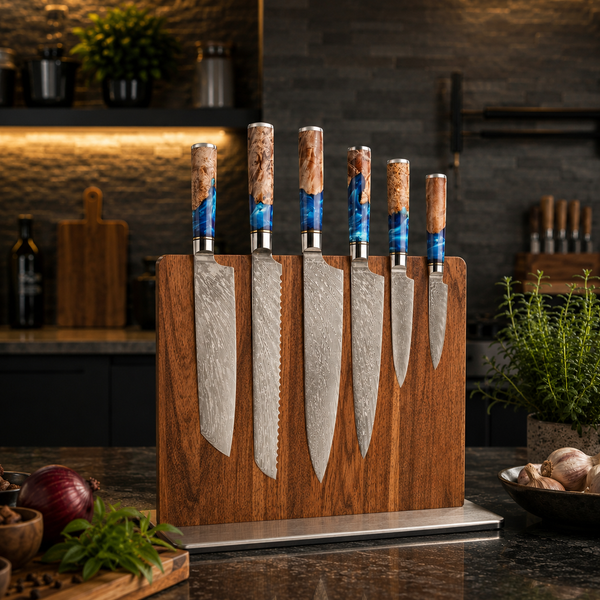
- Magnetic Knife Blocks that beautifully display premium blades while protecting their edges.
- Knife Organisers for keeping drawers neat and safe.
- Canvas Knife Bags for professional chefs, culinary students or anyone transporting their knives.
Choosing the right storage protects your investment while keeping your kitchen organised.
💡 Expert Tip
Never store quality knives with loose utensils. Metal-on-metal contact gradually damages the cutting edge, even when the knife isn't being used.
Choose the Right Cutting Board
Your cutting board has a greater impact on your knife than many people realise.
Timber and food-grade plastic boards are gentle on the blade and help maintain sharpness for longer.
Hard surfaces such as glass, marble and ceramic may look beautiful, but they quickly dull even the highest-quality knives.
A premium knife deserves a surface that's designed to protect it.
A Knife Set That Grows With You
As your confidence in the kitchen grows, so too will your appreciation for quality tools.
Many passionate home cooks begin with a single knife set before adding specialised storage, sharpening accessories and additional knives over time.
A well-chosen collection becomes part of your cooking journey, adapting to new recipes, family traditions and celebrations for many years to come.
Whether you're preparing a quick weekday dinner or hosting friends for a special occasion, the right knife set makes every meal feel a little more enjoyable.
In the final chapter, we will answer the most common questions about kitchen knives, share practical buying advice, and explain why many Australian home cooks trust Fansee Australia for well-made knife sets that are built for everyday use.
Chapter Four — Why Choose Fansee Australia & Frequently Asked Questions
A quality knife set isn't something you replace every year.
It is a tool that becomes part of your daily routine, helping you prepare family dinners, celebrate special occasions, and create meals that bring people together. The best knives do not just make cooking easier; they also make it more enjoyable.
At Fansee Australia, we've carefully curated a collection of premium kitchen knives that combine exceptional craftsmanship with timeless design. Whether you're upgrading your first kitchen, expanding your culinary skills or searching for a meaningful gift, our collection has been selected to deliver lasting performance and everyday confidence.
From precision-crafted Japanese Knife Sets and beautifully patterned Damascus Steel Knife Sets to practical Knife Blocks, Magnetic Knife Blocks, Knife Organisers and professional Leather Knife Bags, every product has been chosen to help you enjoy cooking for years to come.
We believe quality should be enjoyed every day, not just saved for special occasions.
More Than Just Knives
The kitchen is often called the heart of the home.
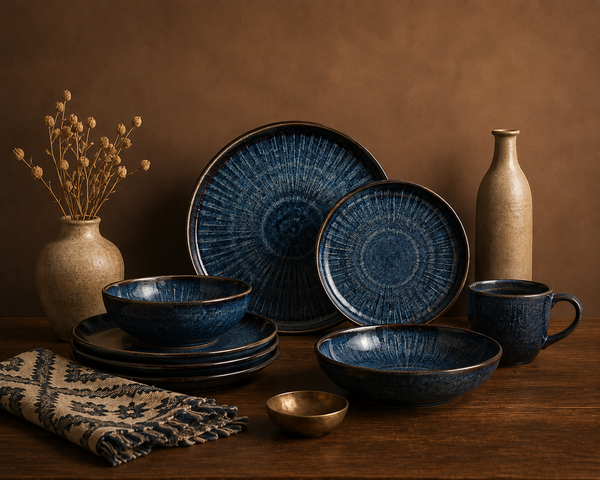
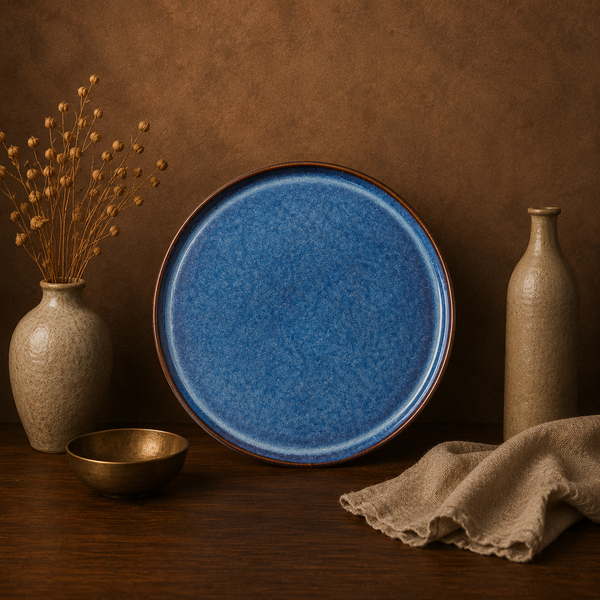
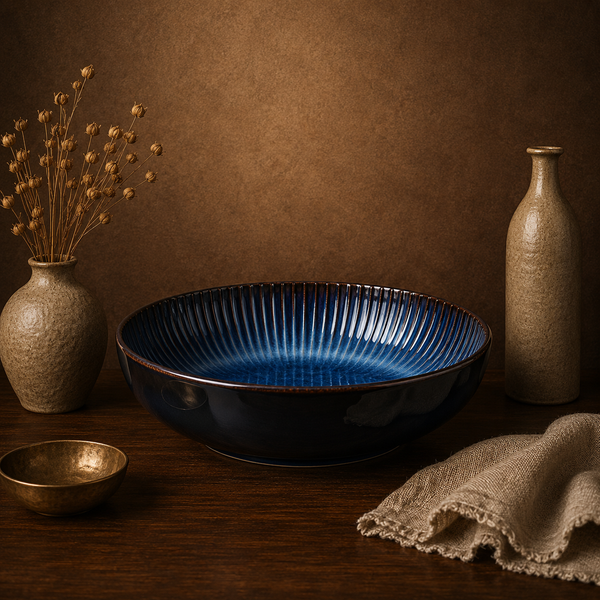
It's where families gather, conversations begin, and memories are created over shared meals. That's why many customers also explore our collections of Kitchen Decor, Dining Table Decor, Blue Dinner Sets, Crockery Sets, Serving Bowls and artisan tableware to create a kitchen that's both practical and beautifully styled.
Great cooking deserves an equally inspiring space.
👨🍳 Chef's Note
The best knife is not always the most expensive. It is the one that feels balanced in your hand and inspires you to cook more often.
Choosing with Confidence
Whether you're buying your first premium knife set or replacing a collection you've owned for years, focus on quality, comfort and craftsmanship rather than simply the number of pieces.
A well-made knife will reward you every time you cook.
With proper care, it can remain part of your kitchen for decades, becoming a trusted companion through everyday meals and life's special celebrations.
Explore More Knife Set Guides
Choosing the right knife set is only the beginning. To get the best long-term performance from your kitchen knives, read our guide on How to Care for Your Kitchen Knives and Keep Them Sharp, where we explain simple cleaning, honing and sharpening habits that help protect your blades.
If you're comparing materials, our article Ceramic vs Stainless Steel Knives: Which Is Better for Your Kitchen? explains the key differences in sharpness, durability, maintenance and everyday use.
Buying for someone special? Our Knife Set Gift Guide: Perfect Presents for Every Occasion shares thoughtful ideas for weddings, housewarmings, Father's Day, Mother's Day, Christmas and passionate home cooks.
To protect your investment, we also recommend reading How to Store Your Knife Sets Safely and Stylishly, especially if you're choosing between knife blocks, magnetic knife storage, drawer organisers or knife bags.
For a broader buying overview, visit Best Knife Sets in Australia, where we explore what to look for when choosing a quality knife set for Australian kitchens.
Frequently Asked Questions
1. What should a good knife set include?
A quality knife set typically includes a chef's knife, Santoku knife, bread knife, utility knife, paring knife, kitchen scissors and a safe storage solution such as a knife block.
2. What is the best steel for kitchen knives?
VG10 stainless steel remains one of the most respected premium steels thanks to its excellent balance of sharpness, durability and corrosion resistance.
3. Is Damascus steel worth buying?
Yes. Premium Damascus knives combine exceptional cutting performance with beautiful layered patterns, making them both highly functional and visually distinctive.
4. Are Japanese knives better than Western knives?
Both have advantages. Japanese knives generally offer harder steel and finer cutting performance, while Western knives often provide greater toughness for heavy-duty kitchen tasks.
5. What's the difference between a Chef's Knife and a Santoku?
A Chef's Knife features a curved blade ideal for rocking cuts, while a Santoku uses a flatter edge that excels at precise slicing, dicing, and chopping.
6. How often should kitchen knives be sharpened?
Most home cooks only require sharpening once or twice each year, depending on usage. Regular honing helps maintain the cutting edge between sharpening sessions.
7. Can I wash kitchen knives in the dishwasher?
Hand washing is always recommended. Dishwashers can damage both the cutting edge and the handle over time.
8. What cutting board is best?
Timber and food-grade plastic cutting boards are generally the best choices because they are gentler on knife edges than glass, stone or ceramic surfaces.
9. What's the safest way to store knives?
Knife blocks, magnetic knife blocks, drawer organisers and professional knife bags all provide safe storage while protecting the blade.
10. Why do professional chefs carry knife bags?
Professional chefs often travel between kitchens, restaurants and catering events. A quality knife bag protects valuable knives during transport.
11. Are premium knives suitable for beginners?
Absolutely. Many beginners discover that quality knives make cooking easier, safer and far more enjoyable than using inexpensive blades.
12. What makes VG10 steel so popular?
VG10 offers excellent edge retention, impressive corrosion resistance and exceptional sharpness, making it one of Japan's most respected knife steels.
13. What does 67-layer Damascus mean?
It refers to the layered steel construction surrounding the knife's cutting core, creating both additional strength and the distinctive Damascus wave pattern.
14. Are knife sets good wedding gifts?
Yes. Premium knife sets are among Australia's most practical and appreciated gifts for weddings, housewarmings, anniversaries and new homes.
15. Do you sell knife blocks separately?
Yes. Fansee offers standalone knife blocks, magnetic knife blocks and knife organisers for customers looking to upgrade their storage.
16. Do you sell professional knife bags?
Yes. Our collection includes durable canvas knife bags designed for chefs, culinary students and passionate home cooks.
17. Do you offer free shipping across Australia?
Yes. Fansee Australia offers free shipping on most orders throughout Australia, including many regional locations.
18. I live in regional Australia. Can Fansee deliver to my area?
Yes. We proudly deliver Australia-wide, including many regional and remote communities.
19. How long should a quality knife last?
With proper care, sharpening and storage, a premium knife can provide decades of reliable performance.
20. Why buy a knife set from Fansee Australia?
We carefully curate premium kitchen knives that combine outstanding craftsmanship, modern design, high-quality materials, and practical everyday performance, backed by excellent customer service and Australia-wide delivery.
Begin Your Culinary Journey
Whether you're preparing a quick family dinner or mastering a new recipe, the right knife transforms every step of the cooking experience.
Explore Fansee Australia's carefully curated collection of premium kitchen knives and discover the difference that exceptional craftsmanship, quality materials and thoughtful design can make in your kitchen.
Every memorable meal begins with one simple moment:
the first cut.